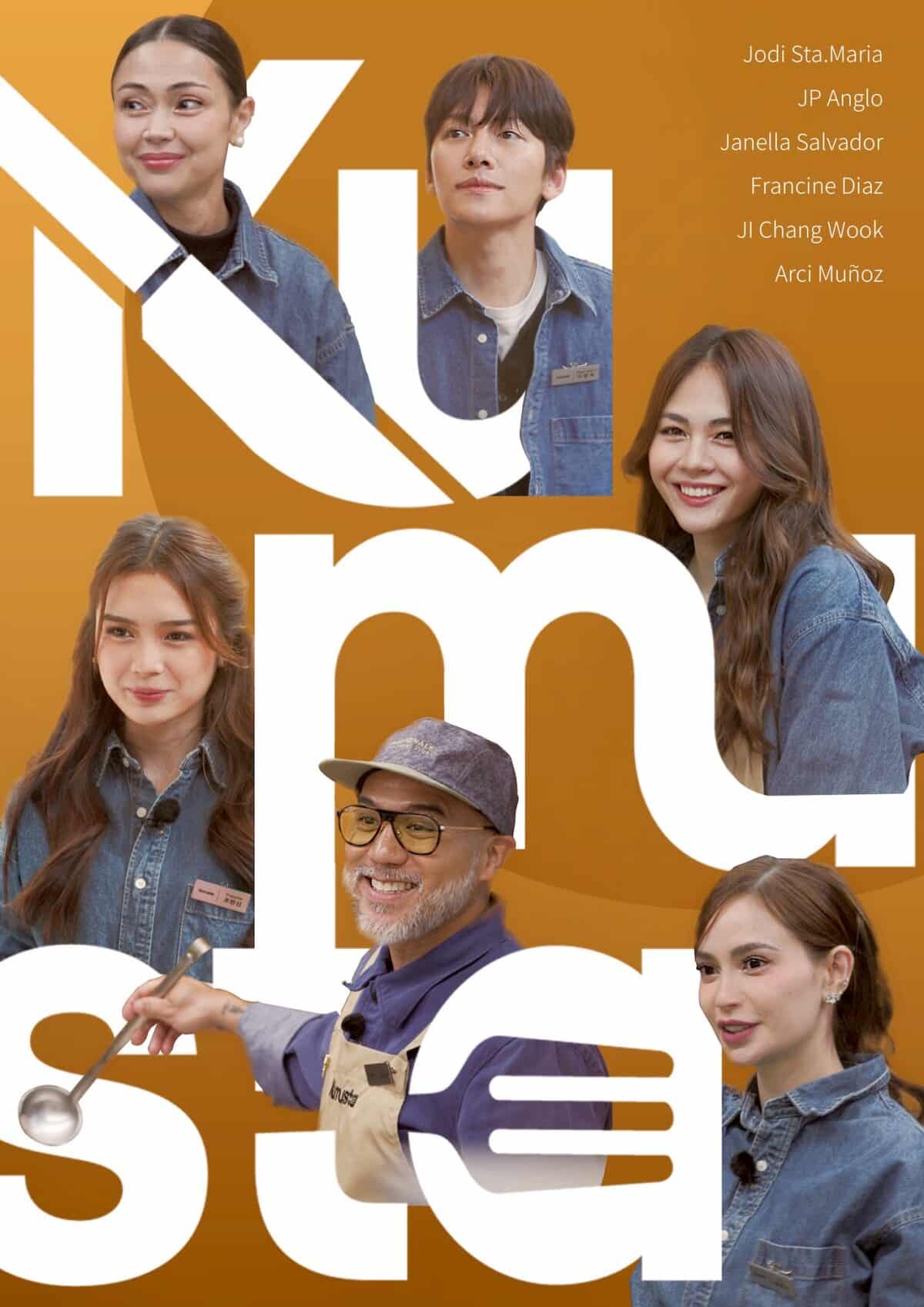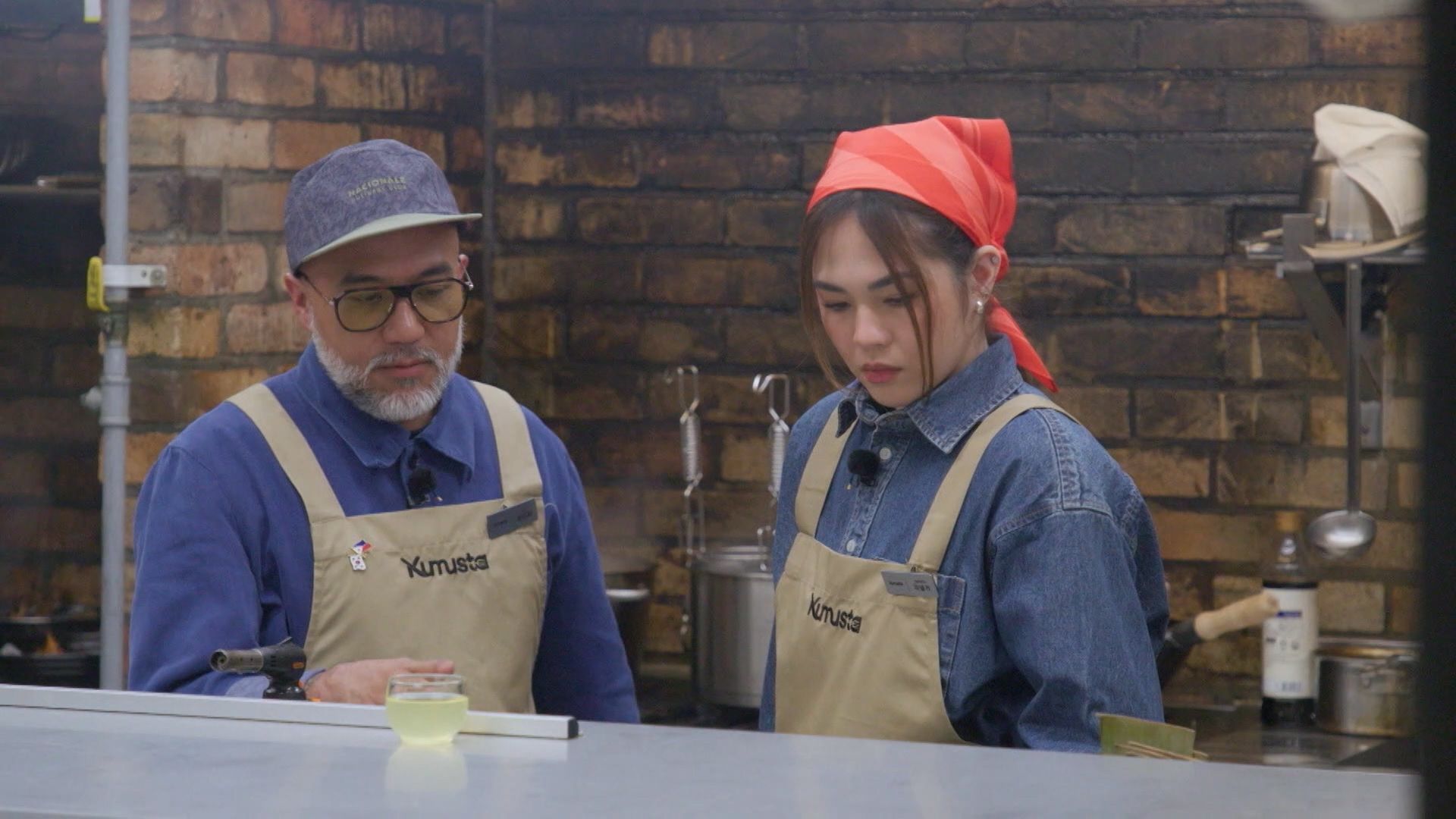
Heartfelt Korean food reality where Filipino flavors, kitchen chaos and new friendships turn a Seoul pop‑up restaurant into your next comfort watch.


Instead of focusing on dramatic eliminations or loud competition tropes, this series takes a more intimate approach. It treats every meal like a conversation and every plate like a story, letting audiences watch how food slowly bridges gaps between people who grew up worlds apart.
A pop‑up restaurant with real pressure
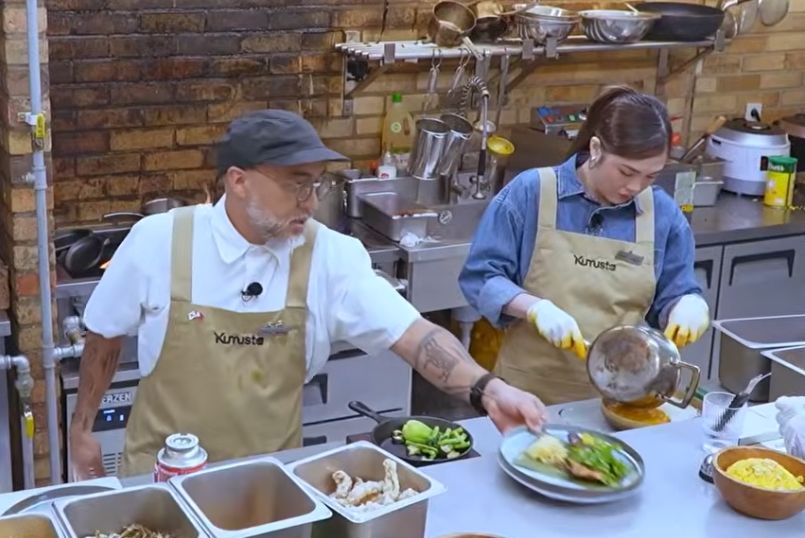
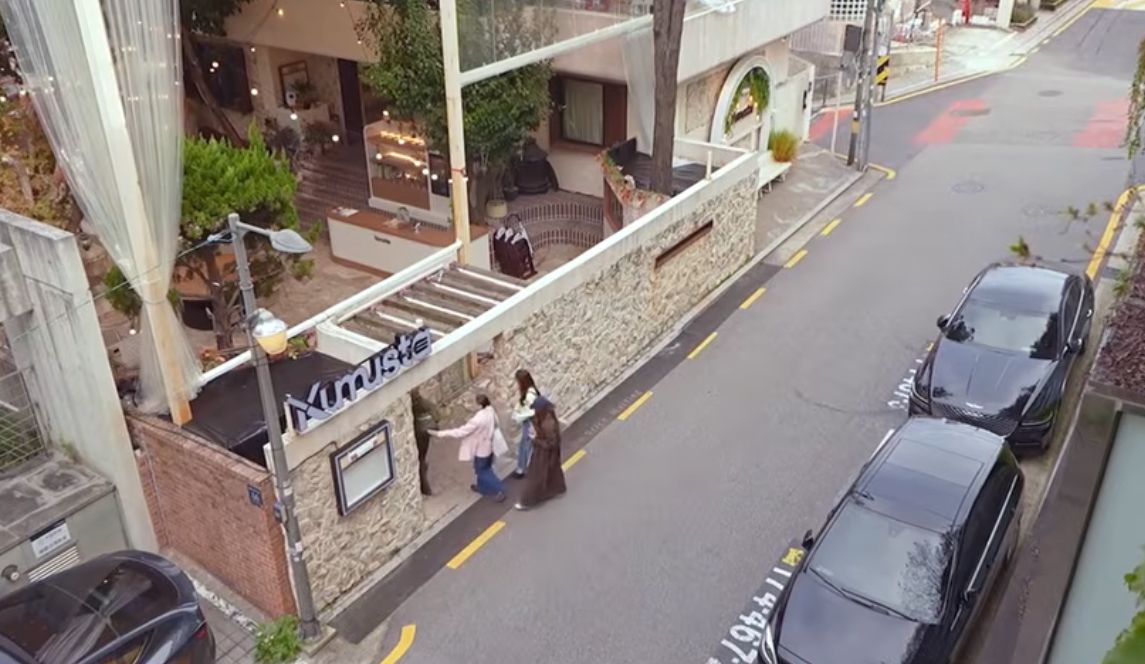
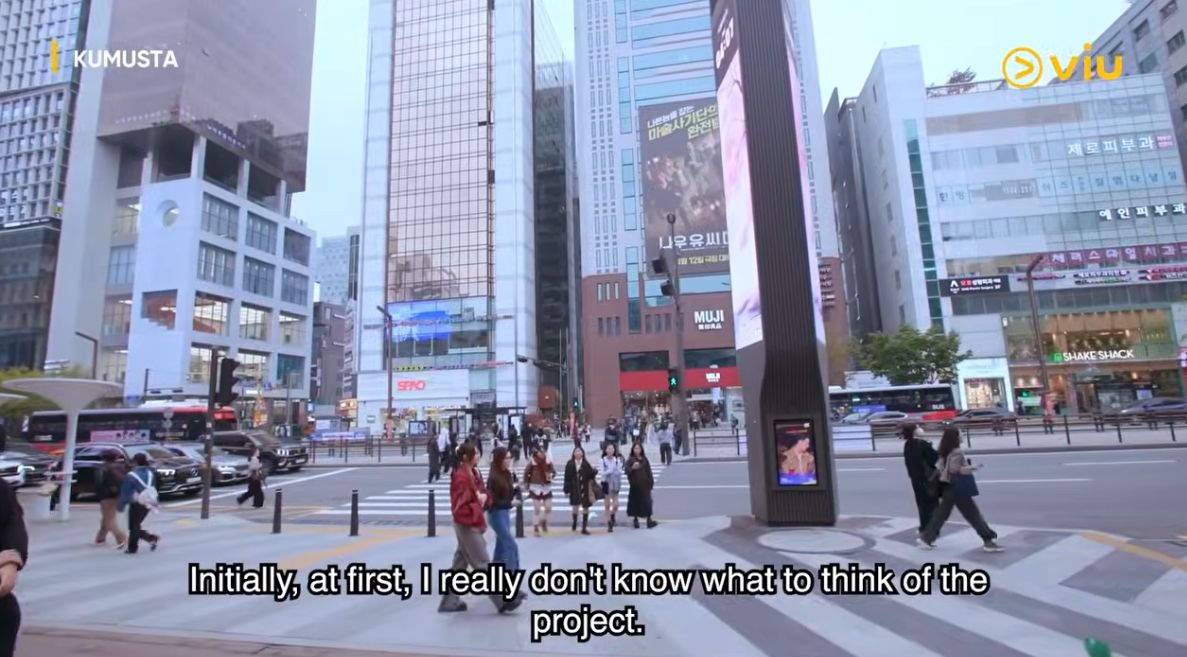
At the center of the show is a bold challenge: open and run a Filipino restaurant in the middle of Seoul. The team has limited time to learn recipes, organise the kitchen, source unfamiliar ingredients, and serve paying customers who may be trying these dishes for the very first time.
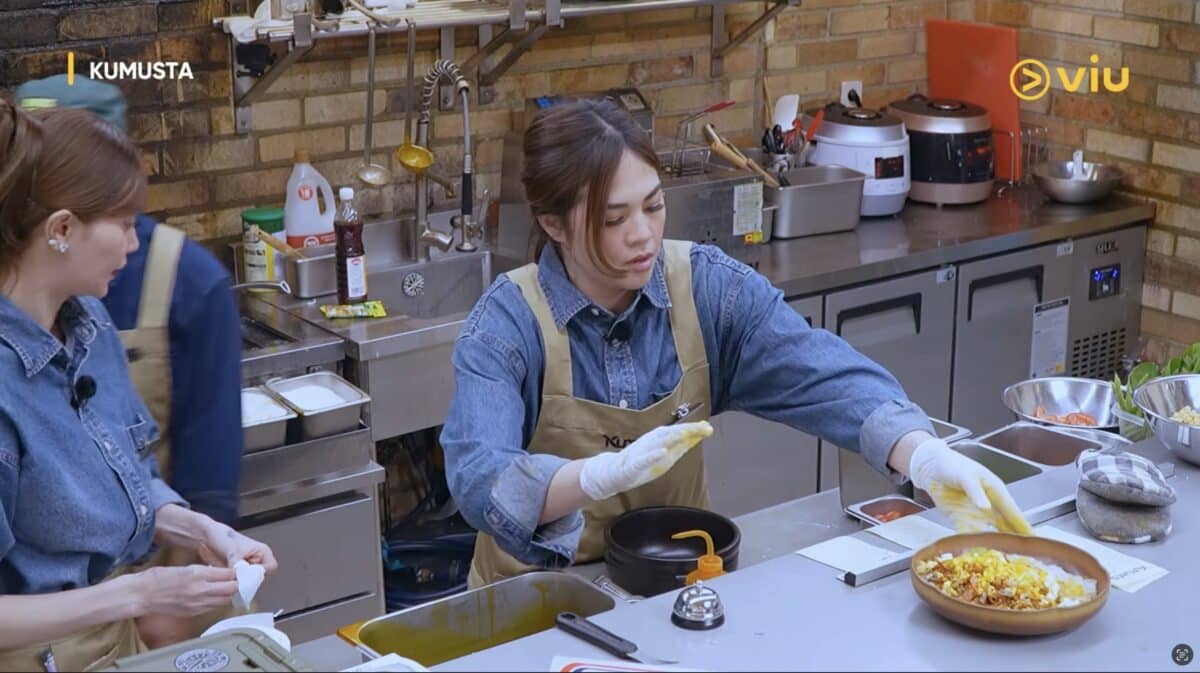
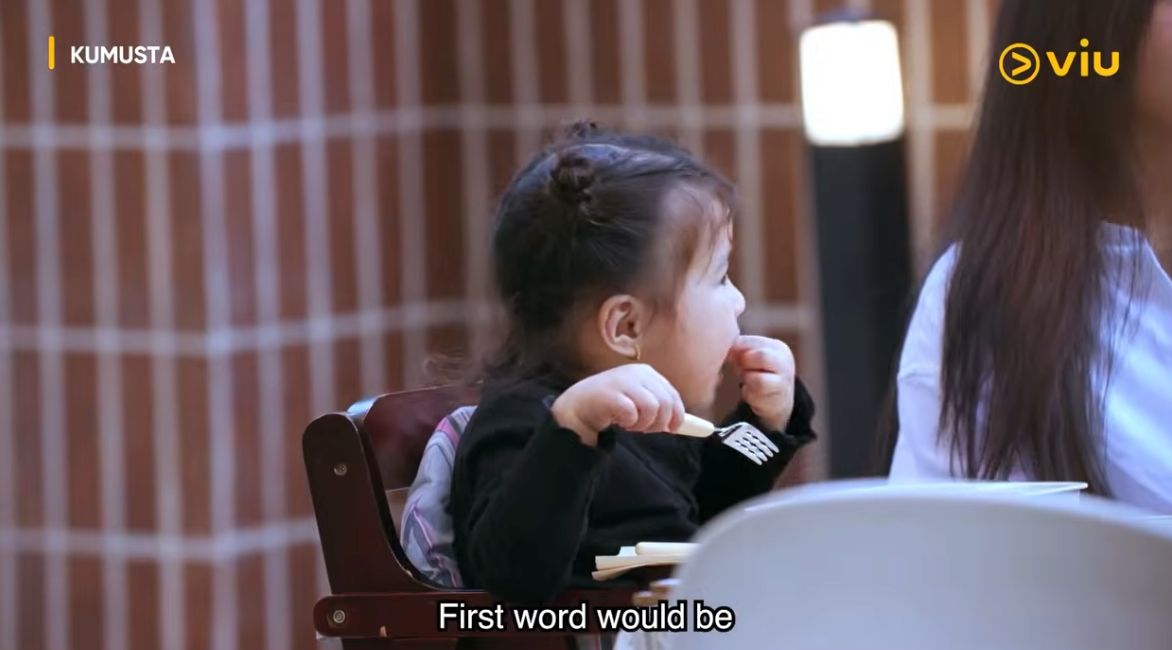
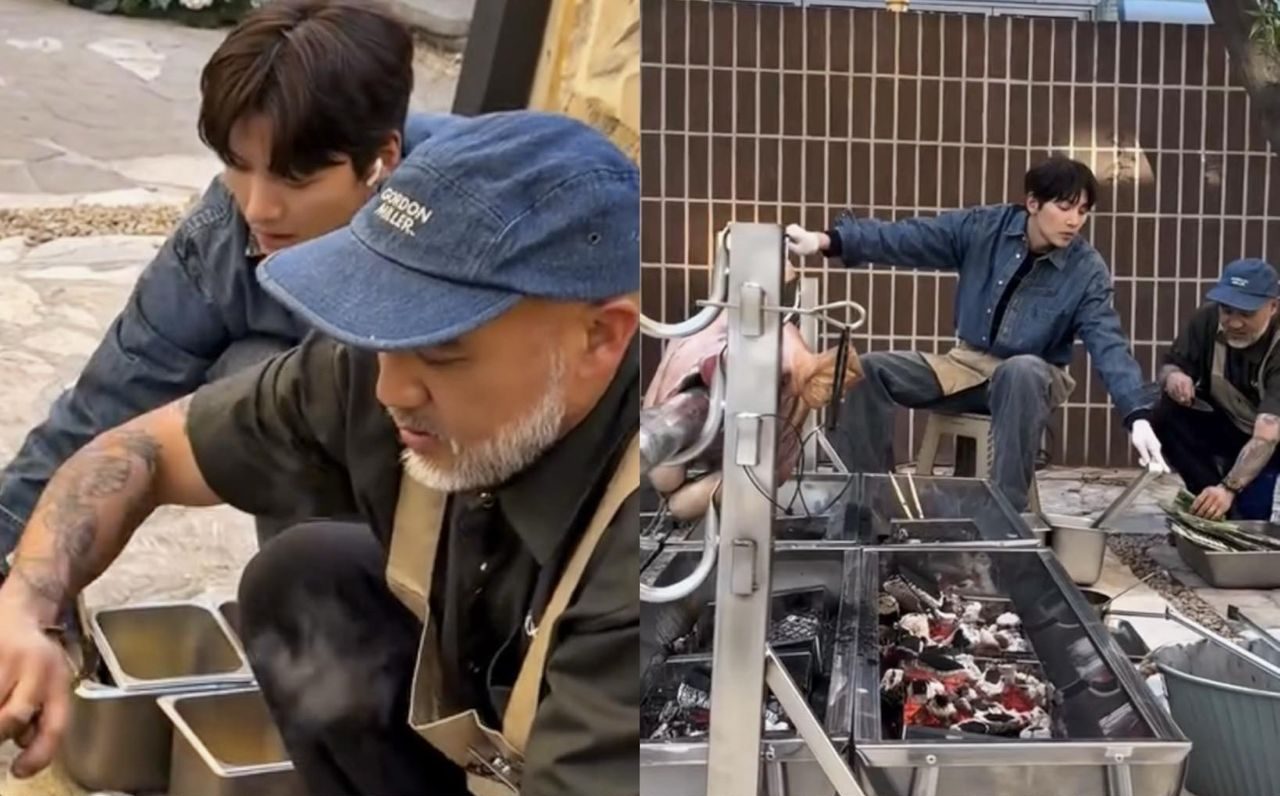
Nothing here feels purely theoretical. There are real orders, real queues and very real mistakes. Viewers see the cast struggle with pacing, plating and communication while the clock is ticking and hungry diners are waiting. That mix of chaos and sincerity has led early audiences to describe the show as “wholesome, funny, and full of flavor,” highlighting how the pressure never completely erases the warmth.
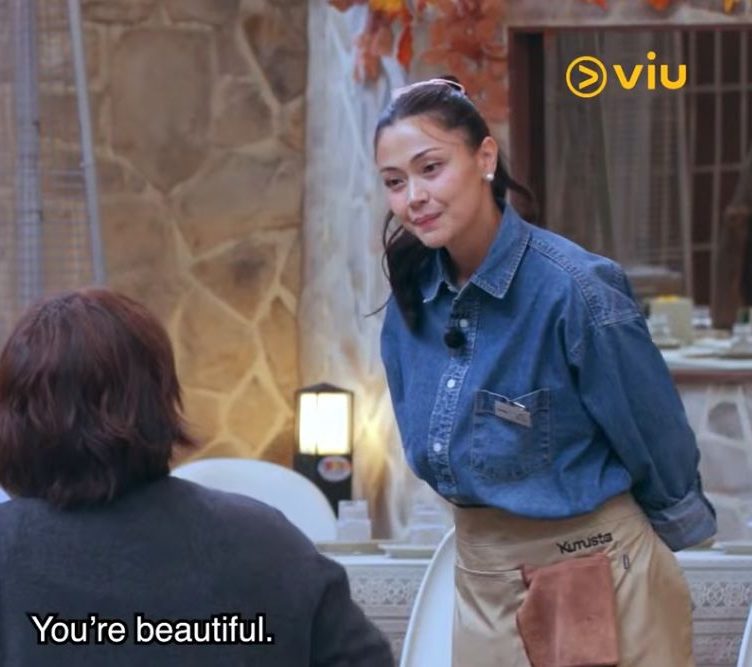
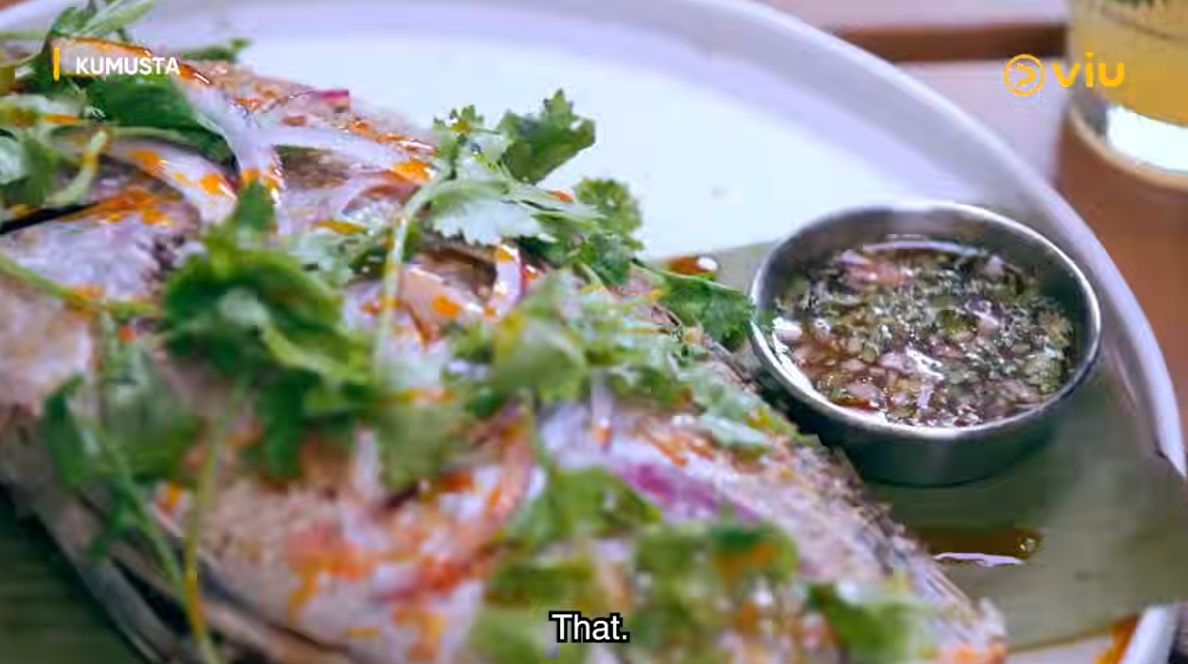
What makes the restaurant segments even more engaging is the way the staff explain each dish. They are not just sending out food; they are introducing comfort meals, family recipes and familiar flavors to people who might be tasting them for the first time. Every successful service feels like a small victory for the cuisine itself.
Ji Chang‑wook in a different light
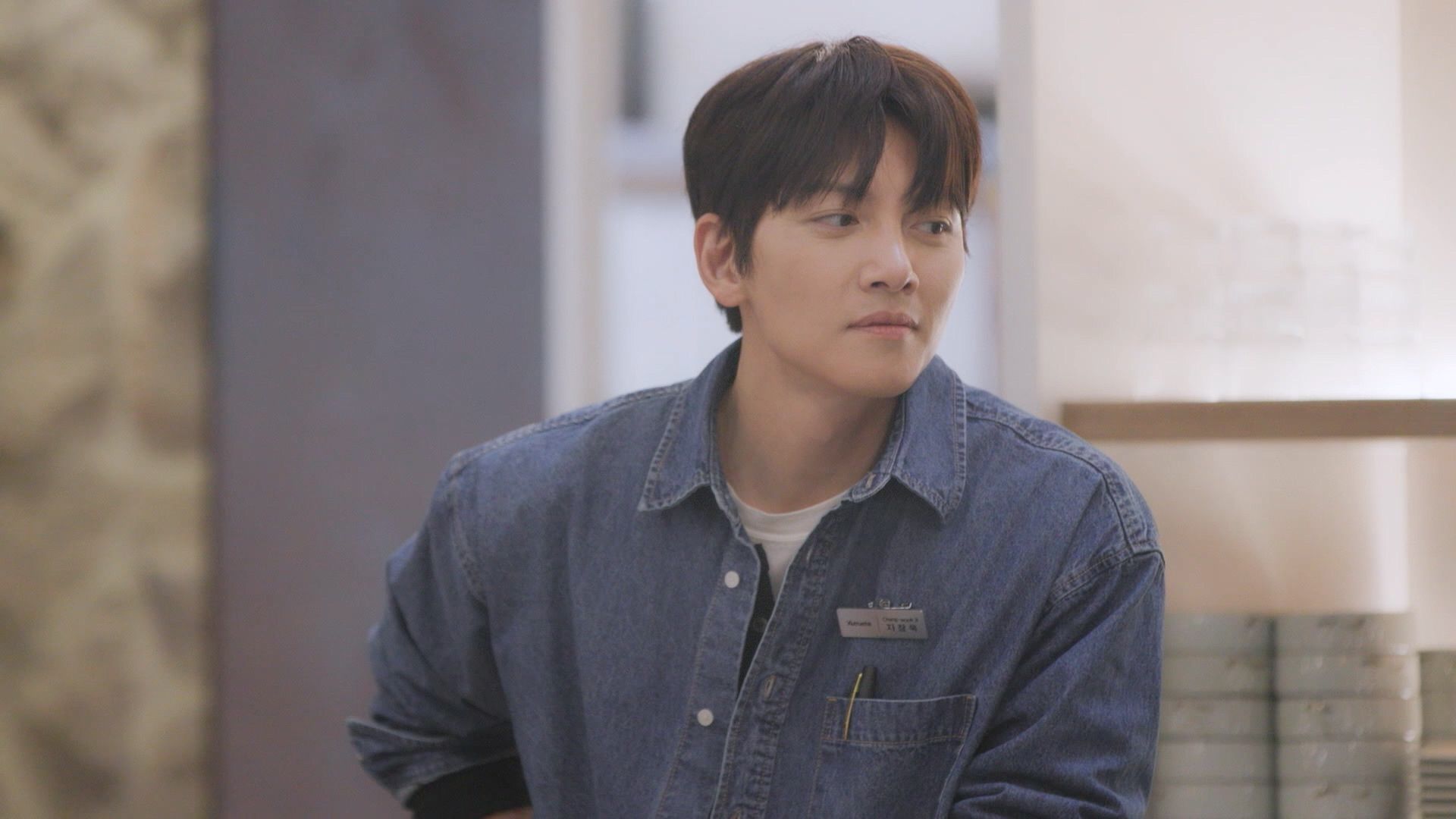
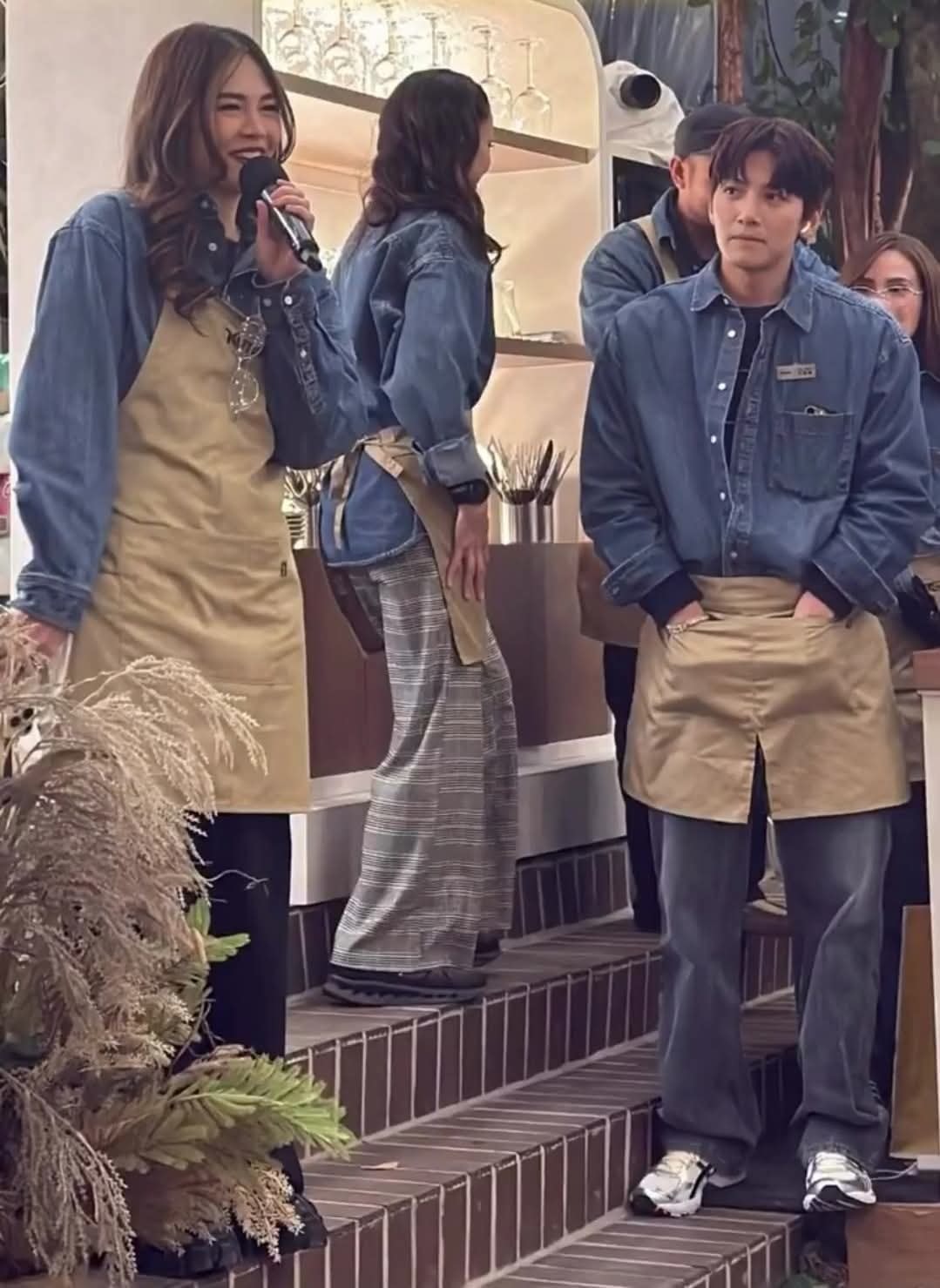
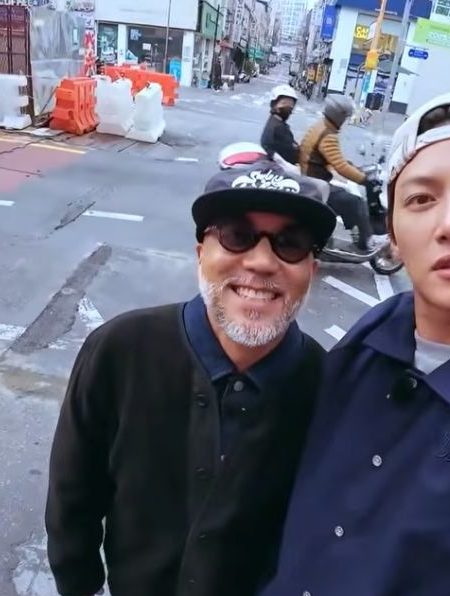
For long‑time fans, one of the biggest draws is seeing Ji Chang‑wook in an unscripted setting. Feature write‑ups and fan coverage point out how different he appears here compared to his action‑heavy or romantic drama roles. In this series, he is more candid and unfiltered, joking with the team, reacting honestly to kitchen disasters and sharing his own curiosity about the food he is helping to serve.
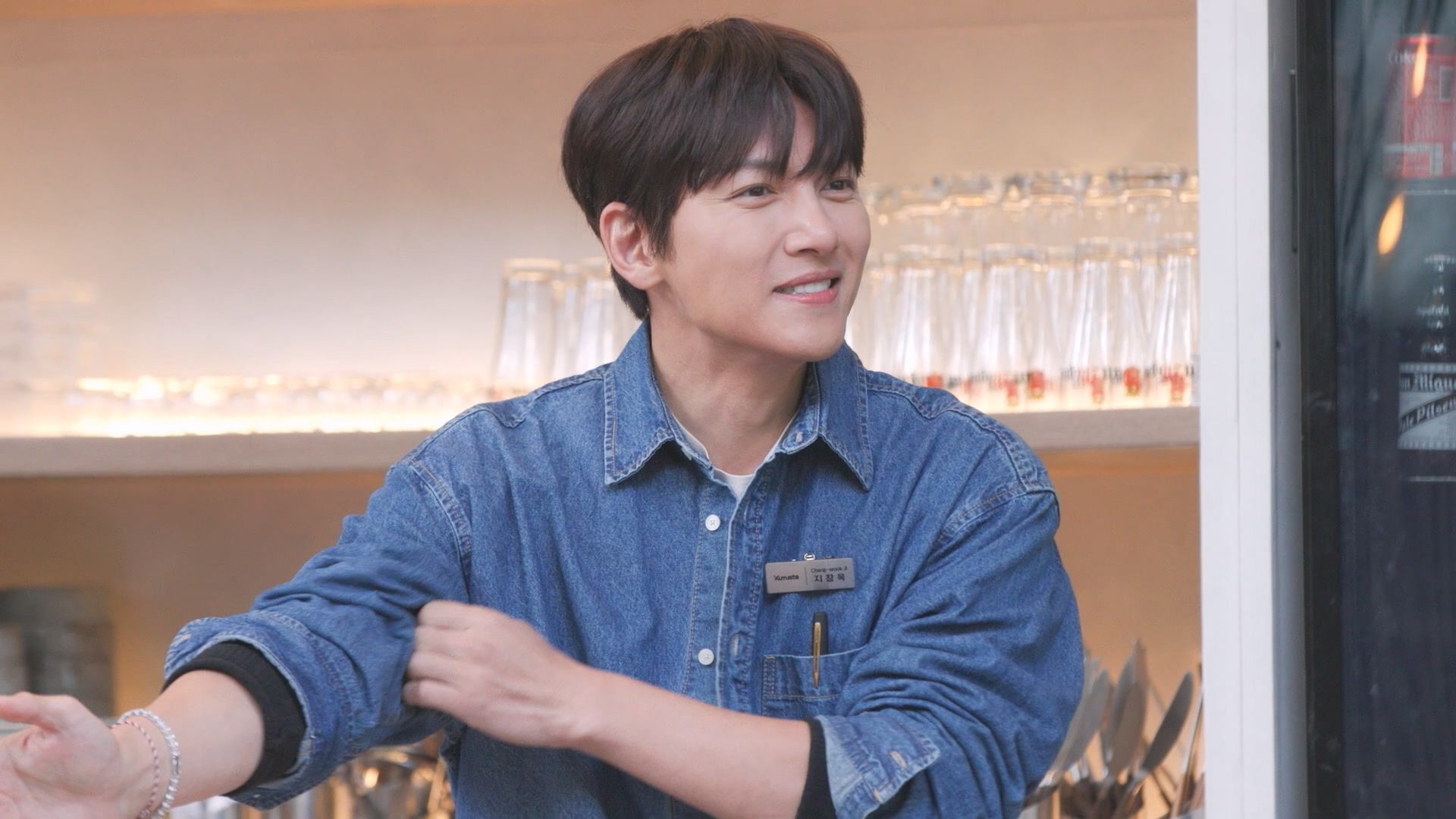
Articles describe how he flew in to promote the show alongside his co‑stars, emphasising how invested he is in the project and the stories it tells. That sense of sincerity carries into the episodes themselves, where he often becomes a bridge between the local environment and the restaurant team, listening carefully to guests’ reactions and supporting his colleagues through stressful moments.
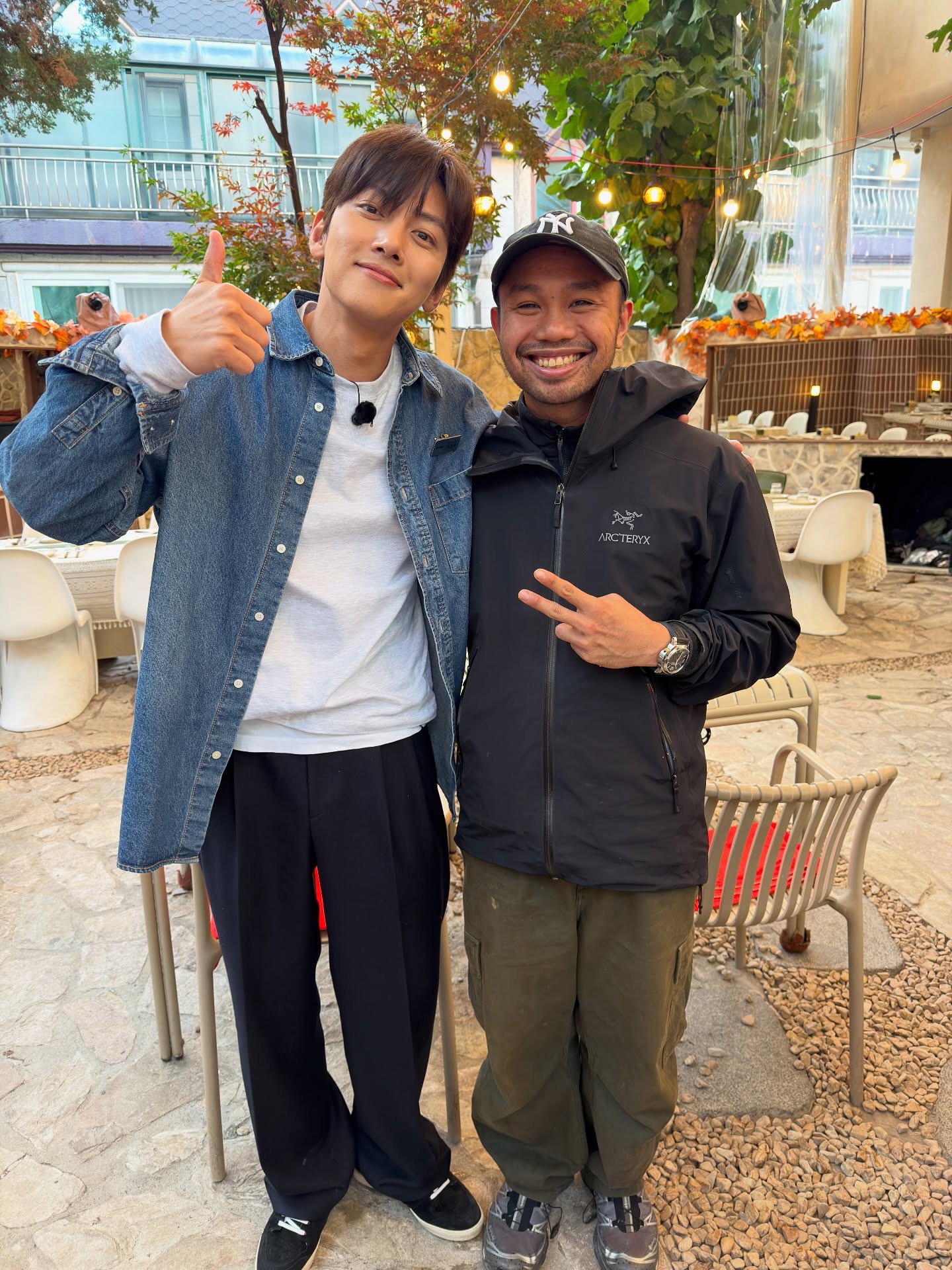
Seeing a familiar face in such a down‑to‑earth context is a large part of the appeal. Instead of perfectly framed drama scenes, viewers watch him deal with late tickets, changing menus and long hours—experiences that feel much closer to everyday life.
A hybrid of K‑variety style and home‑style warmth
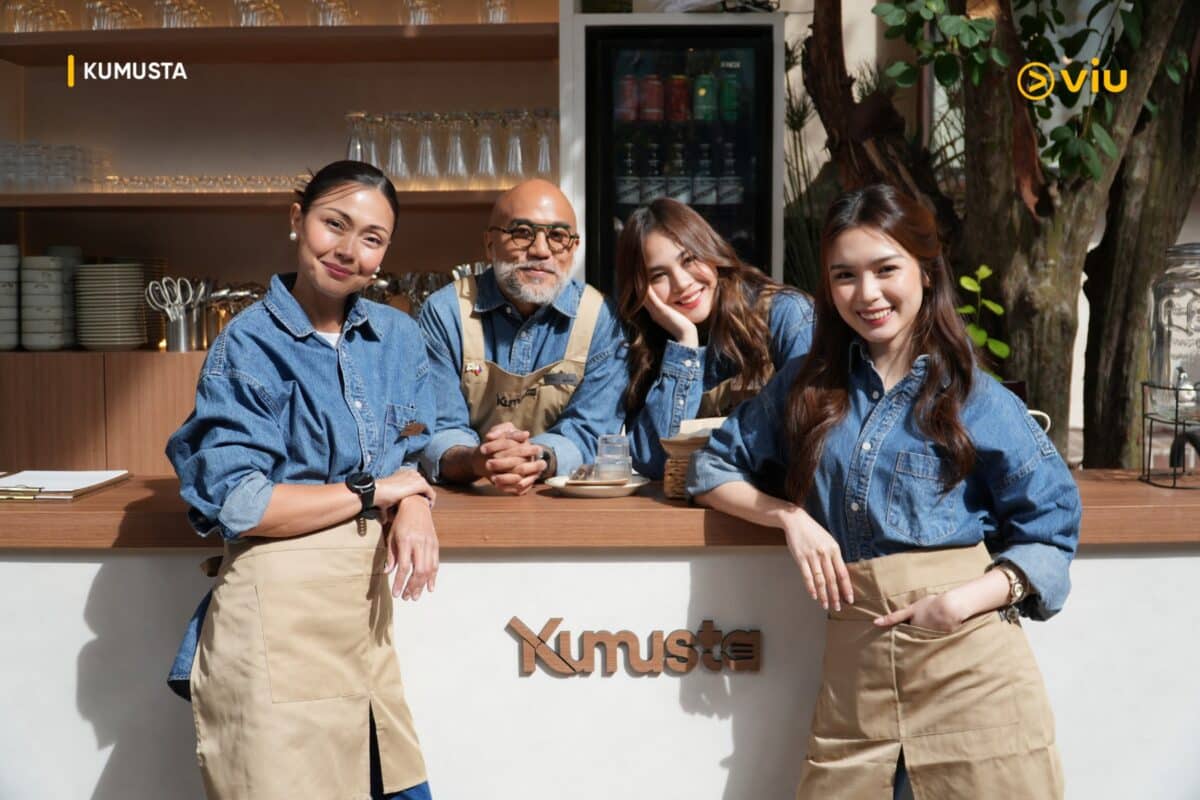
Lifestyle and entertainment pieces highlight how the show borrows the best elements of Korean travel and food variety formats—on‑location shooting, candid banter, and unscripted reactions—then combines them with a more home‑style, hospitality‑driven approach.
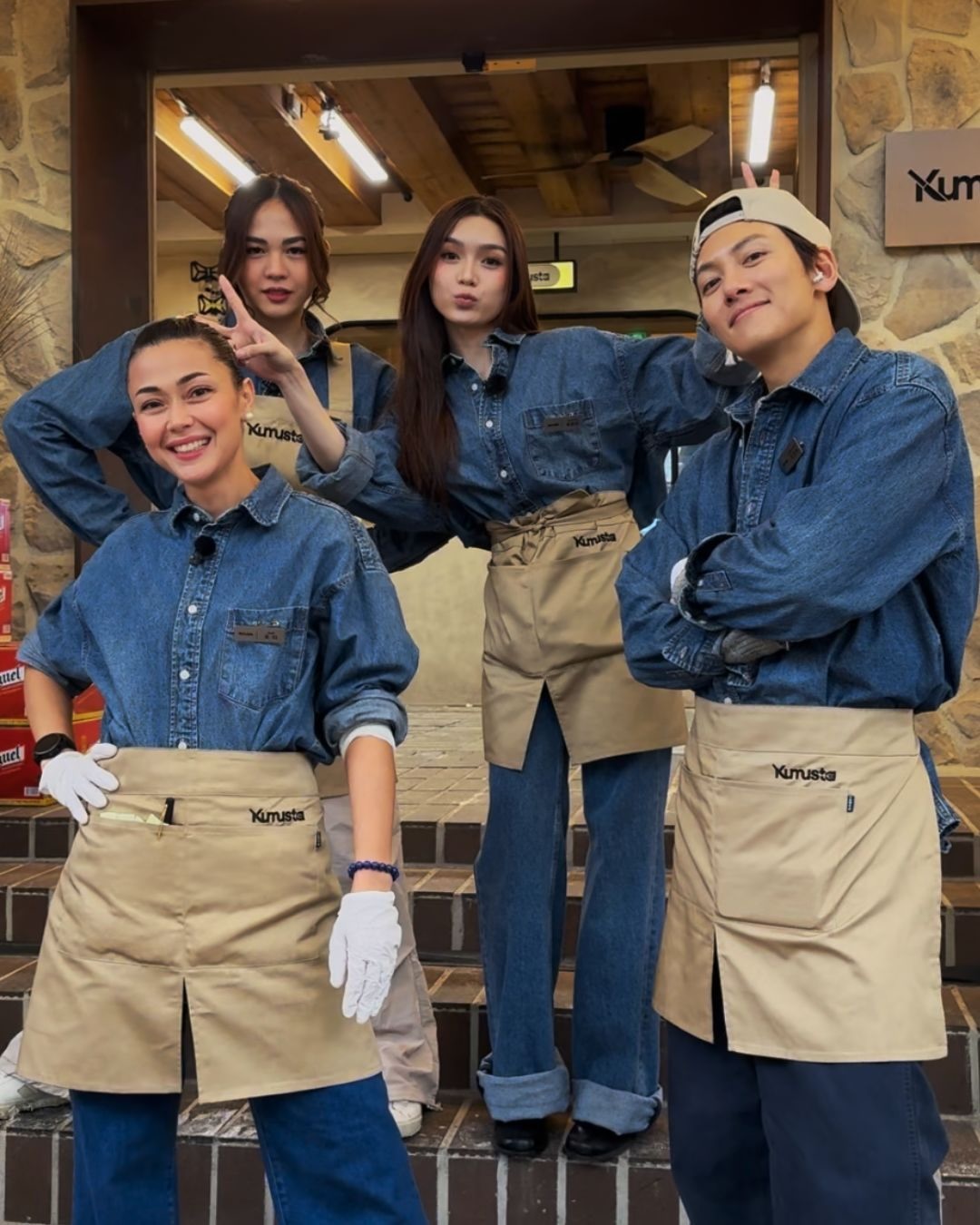
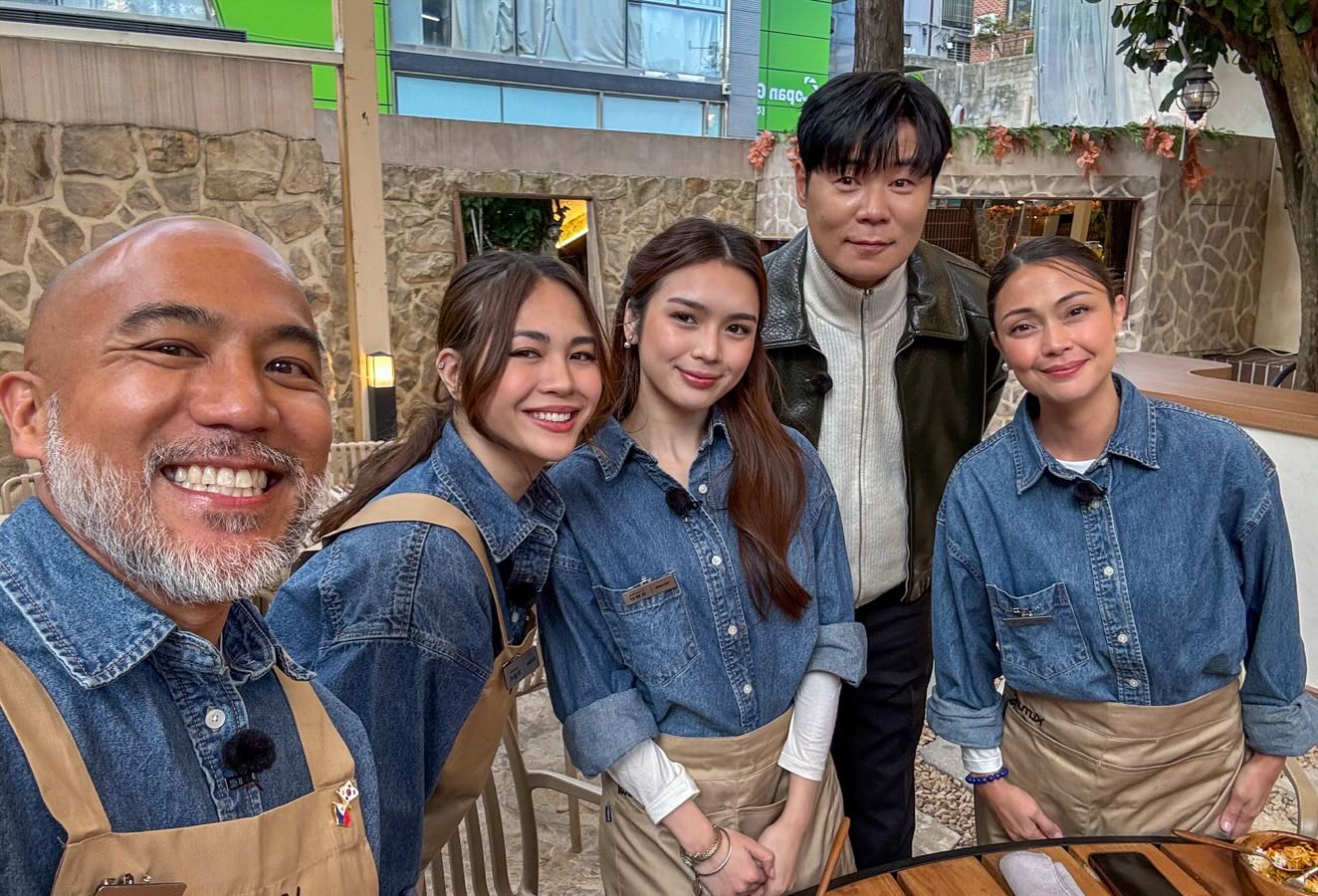
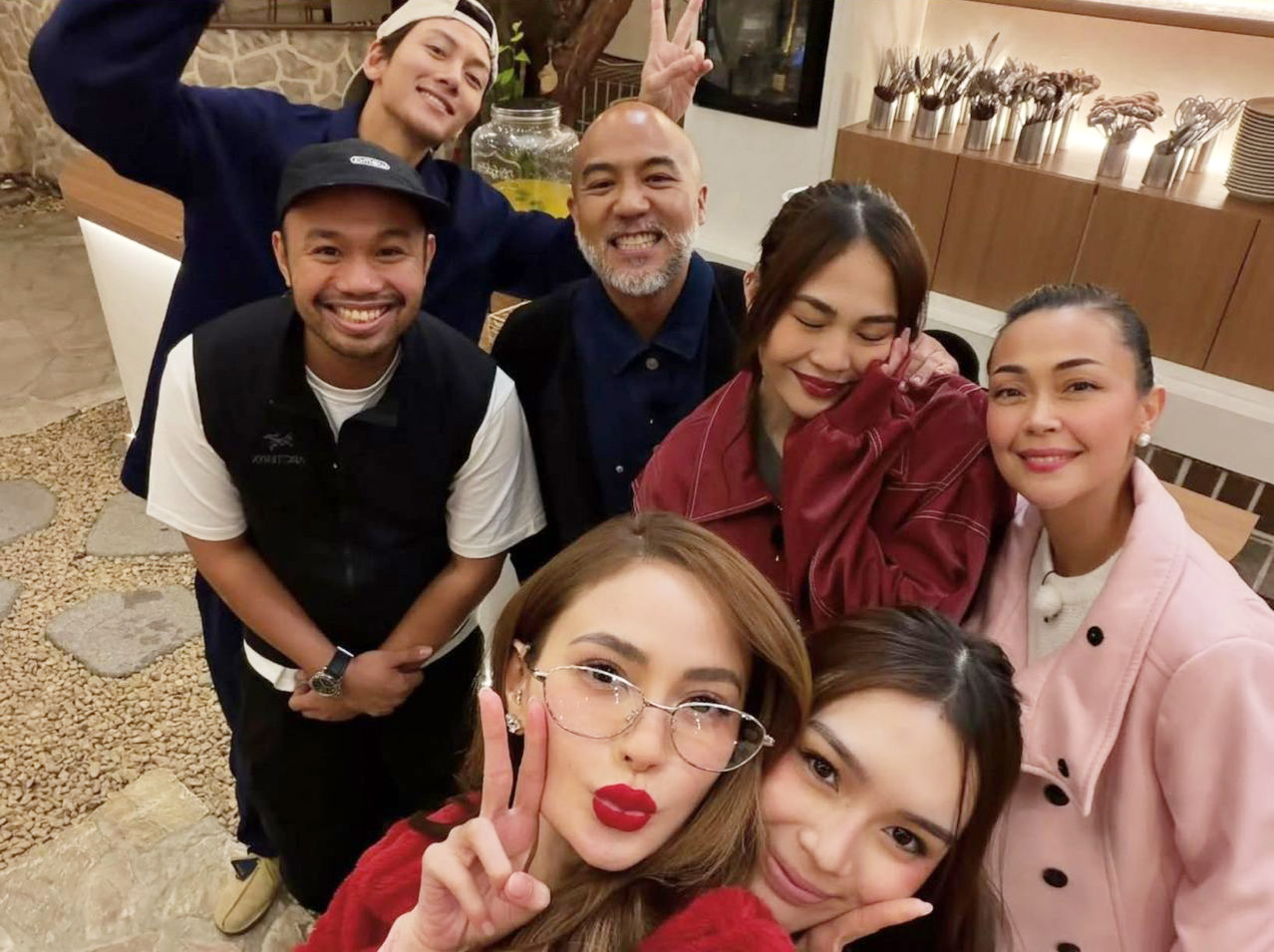
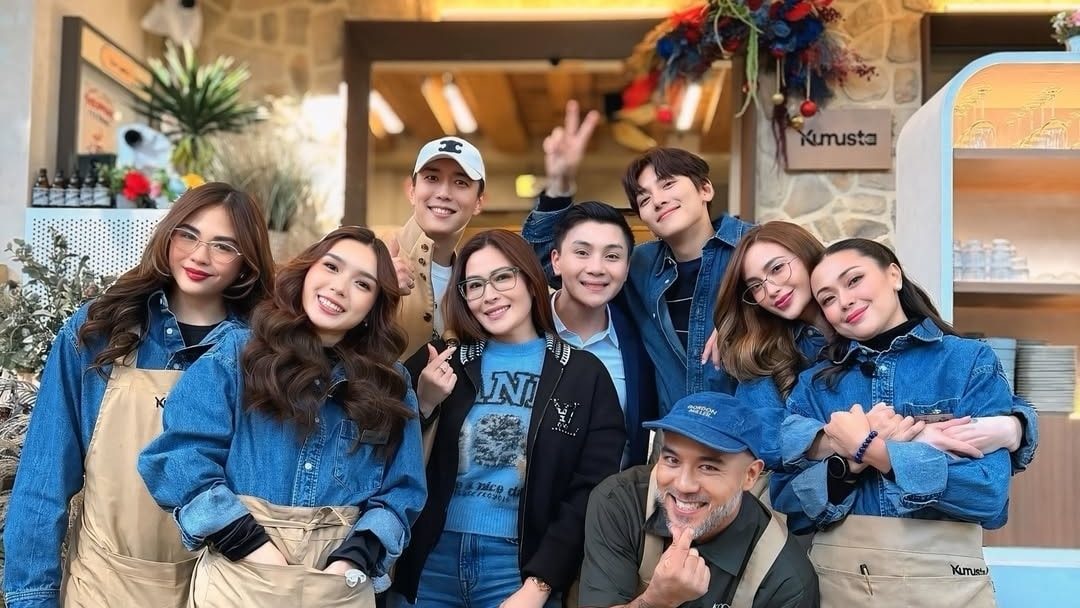
There are market runs, planning meetings and behind‑the‑scenes conversations where the cast talk about what the food means to them. Instead of sharp rivalries, you see teamwork under pressure and a shared mission to make guests feel welcome. Fan discussions describe the series as a “chaotic and heartfelt journey” that still feels comforting enough to watch after a long day.
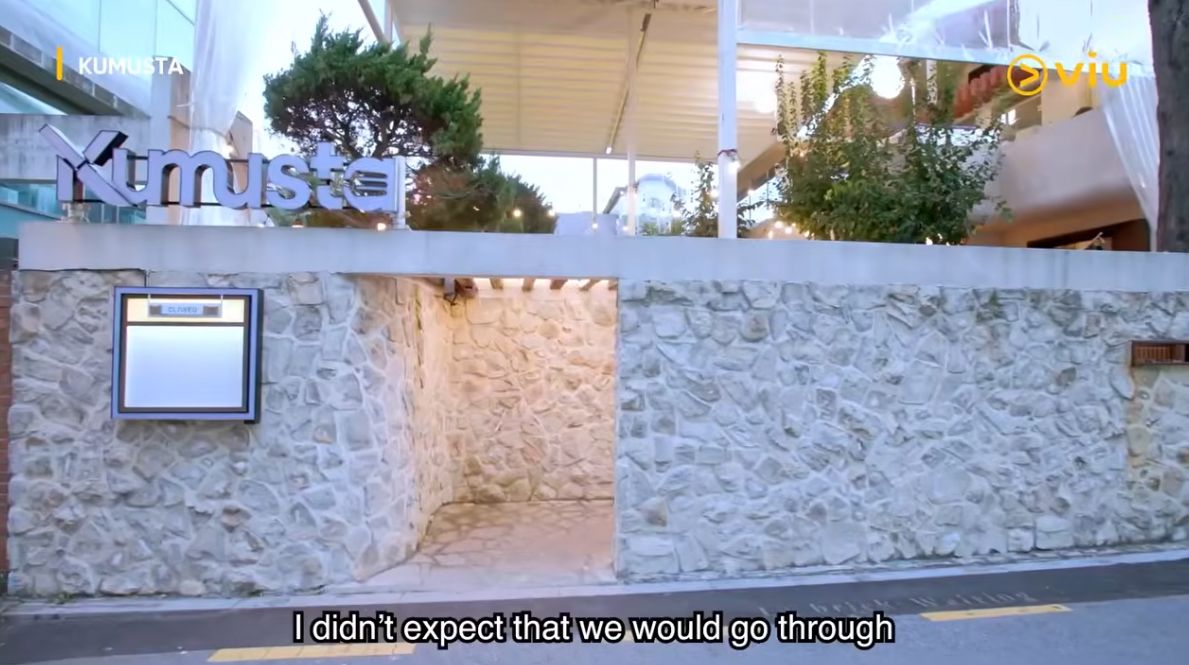
That combination of high stakes and emotional softness is what sets the show apart. It plays like a statement about how food can carry identity, memory and affection across borders, even when language barriers and cultural differences make things complicated. Commentators have called it a “statement show” that puts the spotlight on a cuisine and a way of welcoming people that deserve more global recognition.
Comfort viewing with real emotional payoff

Beyond the novelty of its setting, this series works as an easy, satisfying watch. There are plenty of funny moments, especially when the cast miscommunicate in the rush of service or react to honest feedback from guests. At the same time, there are quieter scenes where exhaustion, homesickness and pride all mix together in the middle of a busy shift.
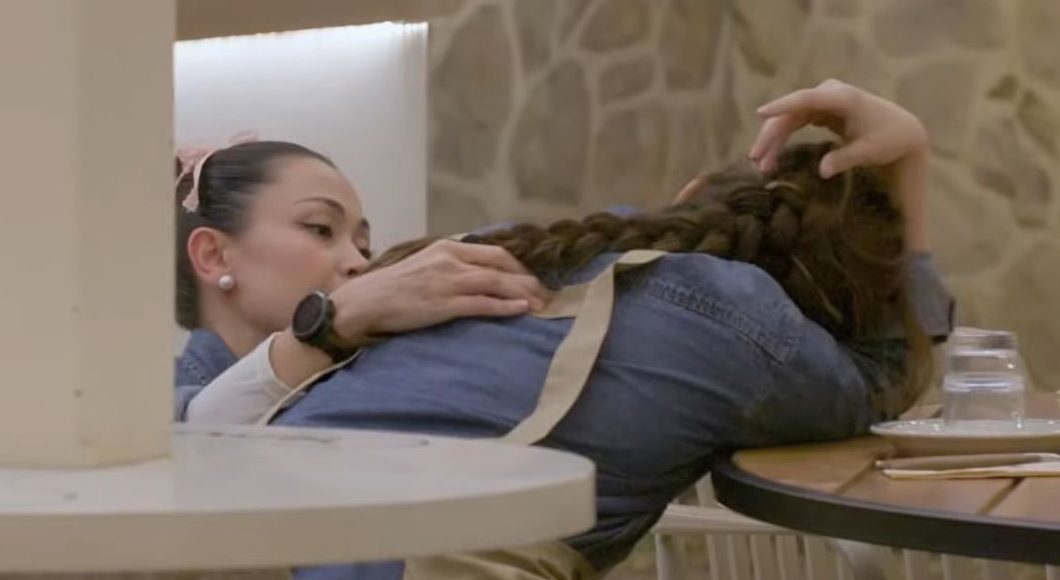
For audiences who know what it feels like to work far from home, those scenes can hit close to the heart. The restaurant staff are building a temporary home base in a foreign city, using food, conversations and shared effort to create something meaningful in just a short span of time.
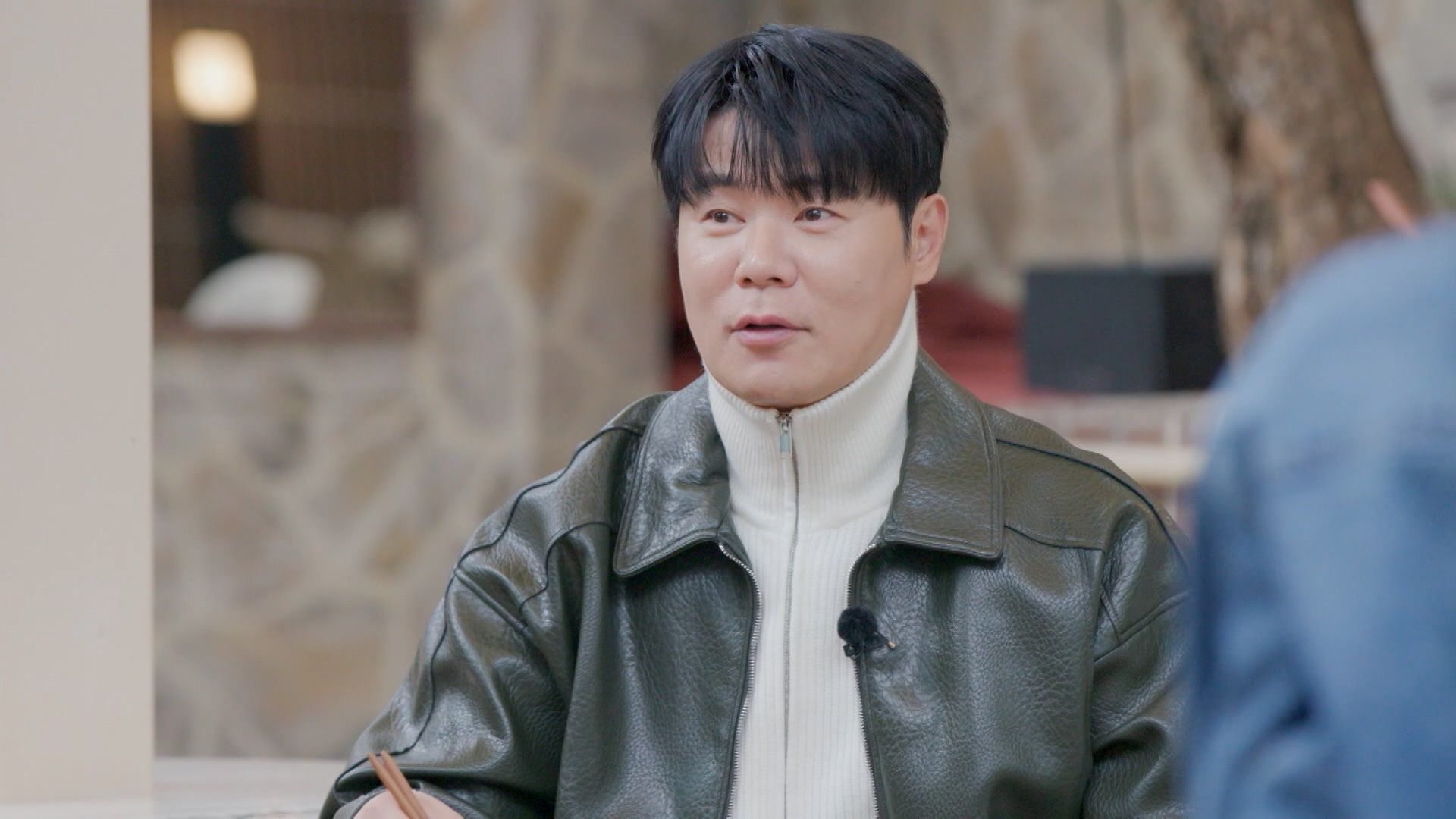
Early coverage and social posts consistently highlight how the show is “wholesome,” “funny” and “full of flavor,” not only in terms of the dishes but also in the relationships on screen. It is the kind of series you can watch with family on a weekend or stream alone when you want something that feels both entertaining and emotionally grounding.
Building hype for what comes next

The excitement around the project is not just about the current episodes. Reports have already hinted at plans for a second season, with changes in setting that suggest the next chapter will bring the concept even closer to its roots. That makes the first season feel like the starting point of a bigger story about how one restaurant experiment can grow into something more ambitious.

As more viewers discover the show through clips, articles and social buzz, the common thread in reactions is clear: people appreciate how it treats food as a bridge, not just a backdrop. Between the star power in the kitchen, the genuine challenges of running a restaurant and the heartfelt moments between staff and guests, this is one food reality series that aims to leave audiences both hungry and hopeful.


New on Mobile: Vertical Micro-Dramas on Viu

Discover a growing library of vertical dramas and bite-sized short series now streaming exclusively on the Viu mobile app—perfect for quick, on‑the‑go viewing between classes, commutes, or late‑night scrolling.